
How deep will I sink??
A common question (or at least it should be!) when hiking in snow is whether or not snowshoes are necessary. Take it from me: sinking into deep snow over and over again will quickly ruin your winter hike. “Post-holing”, the term for when your foot sinks and creates a deep hole in the snow, uses up a lot of energy and the snow can quickly soak through boots and pants if they aren’t waterproof. But not all hikes in the snow require the use of snowshoes. Read on to determine whether or not to add them to your gear list for your next winter hike.
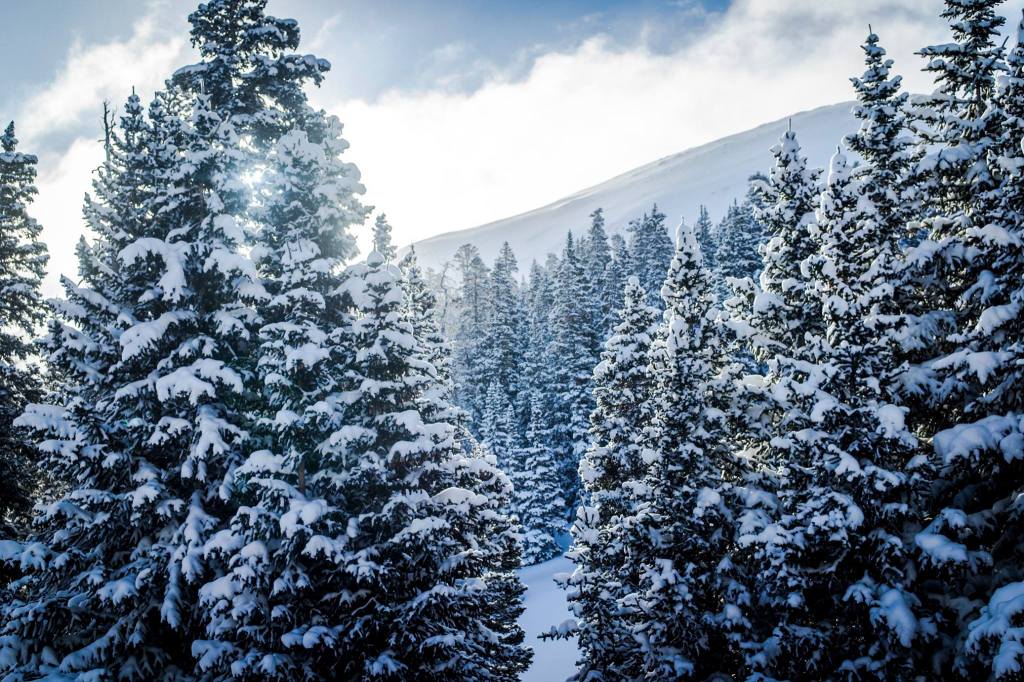
Seven Questions to Ask Before Hitting the Trail:
1. Is this a popular trail?
Often, on heavily trafficked trails, the snow is packed down enough that snowshoes may not be necessary. You might post-hole an inch or two, but that doesn’t necessarily warrant snowshoes.
2. Has there been recent snowfall, and if so, how much?
Even if a trail sees a lot of use, a large recent snowfall might mean you’ll be the first to break trail. In which case, snowshoes could be necessary.
3. How willing are you to turn around before reaching your destination?
Depending on the length of the trail, the first mile or two might be packed down but beyond that, you start sinking. This is because a lot of people will only hike a mile or two in, then turn around. If you’re determined to get to your final destination, I recommend bringing the right gear even if it is “just in case”.
4. Will you be venturing off-trail?
If there’s a lot of snow, you’ll know very quickly when you’ve gone off of a hard-packed trail, because you’ll immediately post-hole.
5. Will you be hiking up hills?
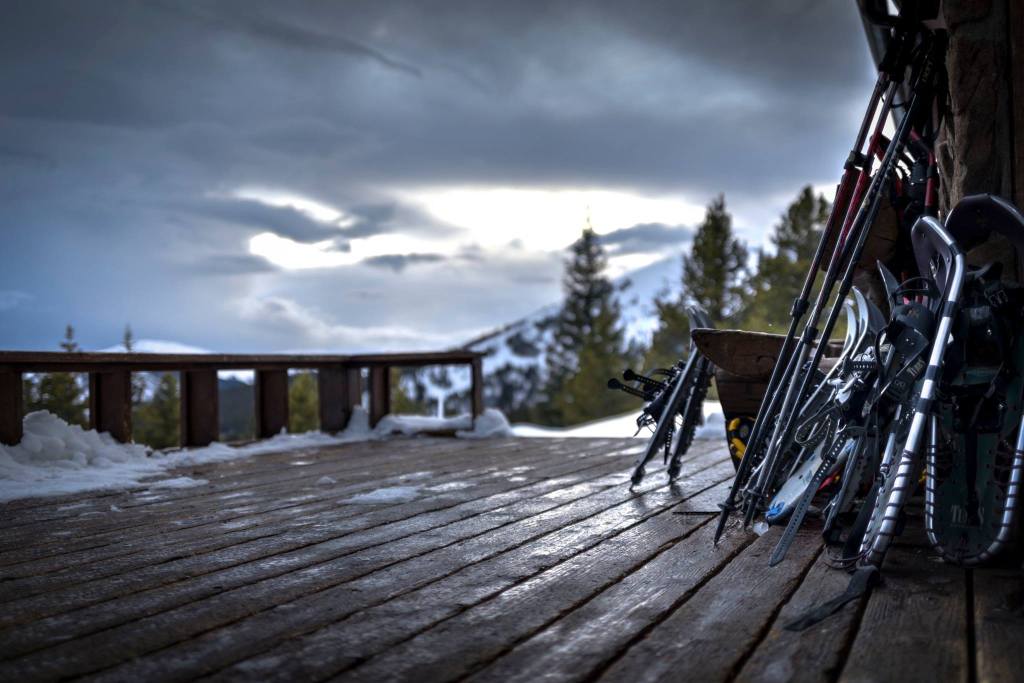
A flat, hard-packed trail can be doable with just hiking boots. If that trail involves climbing uphill, then you might find the need for some sort of traction so that you aren’t slipping on the snow or ice. Some snowshoes have metal teeth (traction) on the bottom to allow you to get a good hold and prevent sliding on steeper terrain.
6. Is this a multi-day trip?
I highly recommend bringing snowshoes if this is the case, even if the trail is hard-packed on day one. A surprise snow storm could make for a miserable trip out, and possibly even leave you stranded.
7. Lastly, will there be ice on the trail?
Again, snowshoes with metal teeth on the bottom will prevent slipping. But, if it’s a hard-packed, icy trail, then another type of traction might come into play, such as Microspikes (but more on that in another post).
 From Trails 2 Tales
Leave a comment