-
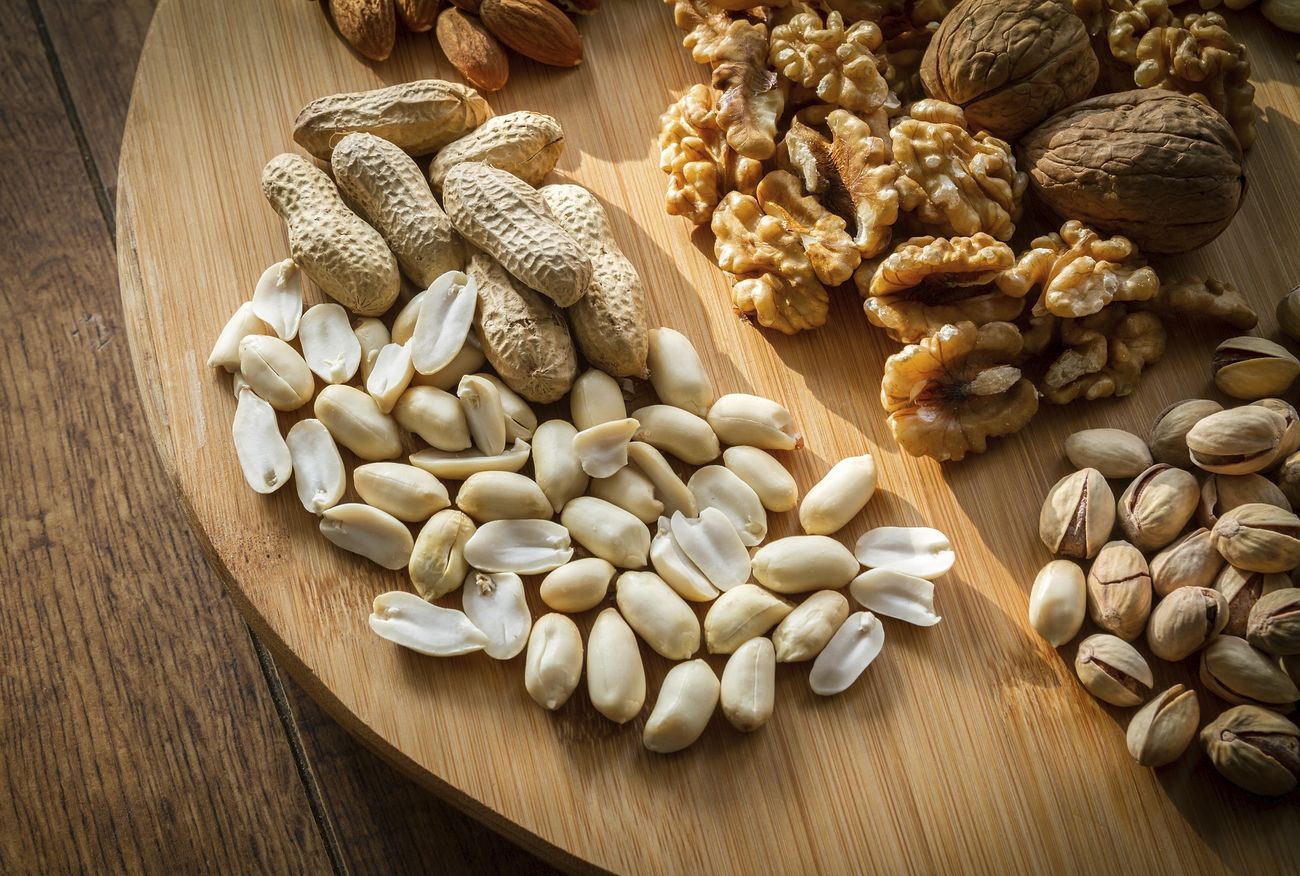
Photo by Michael Burrows on Pexels.com Protein is a macronutrient and is so important not only for keeping your muscles healthy and strong, but can be found in nearly every tissue in your body. The National Academy of Medicine recommends getting anywhere from 10-35% of your daily calorie intake from protein, with people who are more active needing amounts on the higher end of that range. Not consuming enough protein can lead to multiple problems, including muscle break down and decreased energy, which is exactly what we want to avoid.
Unfortunately, protein can be one of the hardest macronutrients to bring on the trails. Why? Because most non-perishable food options that seem like the most obvious choice for the trails are made primarily of the other two macronutrients: carbohydrates and fat. High-protein foods that most people are used to, such as meat, fish and dairy, require refrigeration. But worry not! Below is a list of great high-protein foods that don’t require refrigeration to bring out on your next day hike or multi-day adventure! These can also be great options to take when traveling where high-protein snacks can be harder to come by. Just check customs regulations around brining animal products into other countries ahead of time!
- Seeds, nuts, nut butters
- Cheese – hard cheeses last longer when unrefrigerated. Parmesan and Romano have higher amounts of protein than other cheeses.
- Hard salami
- Hard-boiled eggs
- Jerky: beef, turkey, chicken, pork, buffalo, or even fish!
- EPIC makes a variety of great options for meat and fish-based protein “bars”
- Tuna, salmon or chicken in packets or canned (canned items will add weight, so packets are best when backpacking)
- Freeze-dried backpacking meals that are high in protein, such as the brands below:
- Peanut butter powder – dried peanut butter that can be added to cereal, oatmeal, protein shakes, etc. Or simply add water and make your own peanut butter on the trail.
- Protein powders, which can be whey (milk)-based or plant-based
- Collagen powder – collagen powder typically has no flavor, which makes it a great option to be mixed into other foods that you will be bringing, such as your morning coffee, oatmeal, soups, etc. and packs a lot of protein in a small, light-weight volume
- Beans – dried beans are high in protein, especially lentils, and can be a great light-weight option for backpacking
- High-protein cereals
- Ezekiel 4:9
- Catalina Crunch
- Magic Spoon
- Oatmeal
- High-protein pancake and waffle mixes
- High-protein pastas
- High-protein snack bars
-
Photo by Michael Burrows on Pexels.com Protein is a macronutrient and is so important not only for keeping your muscles healthy and strong, but can be found in nearly every tissue in your body. The National Academy of Medicine recommends getting anywhere from 10-35% of your daily calorie intake from protein, with people who are more active needing amounts on the higher end of that range. Not consuming enough protein can lead to multiple problems, including muscle break down and decreased energy, which is exactly what we want to avoid.
Unfortunately, protein can be one of the hardest macronutrients to bring on the trails. Why? Because most non-perishable food options that seem like the most obvious choice for the trails are made primarily of the other two macronutrients: carbohydrates and fat. High-protein foods that most people are used to, such as meat, fish and dairy, require refrigeration. But worry not! Below is a list of great high-protein foods that don’t require refrigeration to bring out on your next day hike or multi-day adventure! These can also be great options to take when traveling where high-protein snacks can be harder to come by. Just check customs regulations around brining animal products into other countries ahead of time!
- Seeds, nuts, nut butters
- Cheese – hard cheeses last longer when unrefrigerated. Parmesan and Romano have higher amounts of protein than other cheeses.
- Hard salami
- Hard-boiled eggs
- Jerky: beef, turkey, chicken, pork, buffalo, or even fish!
- EPIC makes a variety of great options for meat and fish-based protein “bars”
- Tuna, salmon or chicken in packets or canned (canned items will add weight, so packets are best when backpacking)
- Freeze-dried backpacking meals that are high in protein, such as the brands below:
- Peanut butter powder – dried peanut butter that can be added to cereal, oatmeal, protein shakes, etc. Or simply add water and make your own peanut butter on the trail.
- Protein powders, which can be whey (milk)-based or plant-based
- Collagen powder – collagen powder typically has no flavor, which makes it a great option to be mixed into other foods that you will be bringing, such as your morning coffee, oatmeal, soups, etc. and packs a lot of protein in a small, light-weight volume
- Beans – dried beans are high in protein, especially lentils, and can be a great light-weight option for backpacking
- High-protein cereals
- Ezekiel 4:9
- Catalina Crunch
- Magic Spoon
- Oatmeal
- High-protein pancake and waffle mixes
- High-protein pastas
- High-protein snack bars
-
Photo by Michael Burrows on Pexels.com Protein is a macronutrient and is so important not only for keeping your muscles healthy and strong, but can be found in nearly every tissue in your body. The National Academy of Medicine recommends getting anywhere from 10-35% of your daily calorie intake from protein, with people who are more active needing amounts on the higher end of that range. Not consuming enough protein can lead to multiple problems, including muscle break down and decreased energy, which is exactly what we want to avoid.
Unfortunately, protein can be one of the hardest macronutrients to bring on the trails. Why? Because most non-perishable food options that seem like the most obvious choice for the trails are made primarily of the other two macronutrients: carbohydrates and fat. High-protein foods that most people are used to, such as meat, fish and dairy, require refrigeration. But worry not! Below is a list of great high-protein foods that don’t require refrigeration to bring out on your next day hike or multi-day adventure! These can also be great options to take when traveling where high-protein snacks can be harder to come by. Just check customs regulations around brining animal products into other countries ahead of time!
- Seeds, nuts, nut butters
- Cheese – hard cheeses last longer when unrefrigerated. Parmesan and Romano have higher amounts of protein than other cheeses.
- Hard salami
- Hard-boiled eggs
- Jerky: beef, turkey, chicken, pork, buffalo, or even fish!
- EPIC makes a variety of great options for meat and fish-based protein “bars”
- Tuna, salmon or chicken in packets or canned (canned items will add weight, so packets are best when backpacking)
- Freeze-dried backpacking meals that are high in protein, such as the brands below:
- Peanut butter powder – dried peanut butter that can be added to cereal, oatmeal, protein shakes, etc. Or simply add water and make your own peanut butter on the trail.
- Protein powders, which can be whey (milk)-based or plant-based
- Collagen powder – collagen powder typically has no flavor, which makes it a great option to be mixed into other foods that you will be bringing, such as your morning coffee, oatmeal, soups, etc. and packs a lot of protein in a small, light-weight volume
- Beans – dried beans are high in protein, especially lentils, and can be a great light-weight option for backpacking
- High-protein cereals
- Ezekiel 4:9
- Catalina Crunch
- Magic Spoon
- Oatmeal
- High-protein pancake and waffle mixes
- High-protein pastas
- High-protein snack bars
-
Photo by Michael Burrows on Pexels.com Protein is a macronutrient and is so important not only for keeping your muscles healthy and strong, but can be found in nearly every tissue in your body. The National Academy of Medicine recommends getting anywhere from 10-35% of your daily calorie intake from protein, with people who are more active needing amounts on the higher end of that range. Not consuming enough protein can lead to multiple problems, including muscle break down and decreased energy, which is exactly what we want to avoid.
Unfortunately, protein can be one of the hardest macronutrients to bring on the trails. Why? Because most non-perishable food options that seem like the most obvious choice for the trails are made primarily of the other two macronutrients: carbohydrates and fat. High-protein foods that most people are used to, such as meat, fish and dairy, require refrigeration. But worry not! Below is a list of great high-protein foods that don’t require refrigeration to bring out on your next day hike or multi-day adventure! These can also be great options to take when traveling where high-protein snacks can be harder to come by. Just check customs regulations around brining animal products into other countries ahead of time!
- Seeds, nuts, nut butters
- Cheese – hard cheeses last longer when unrefrigerated. Parmesan and Romano have higher amounts of protein than other cheeses.
- Hard salami
- Hard-boiled eggs
- Jerky: beef, turkey, chicken, pork, buffalo, or even fish!
- EPIC makes a variety of great options for meat and fish-based protein “bars”
- Tuna, salmon or chicken in packets or canned (canned items will add weight, so packets are best when backpacking)
- Freeze-dried backpacking meals that are high in protein, such as the brands below:
- Peanut butter powder – dried peanut butter that can be added to cereal, oatmeal, protein shakes, etc. Or simply add water and make your own peanut butter on the trail.
- Protein powders, which can be whey (milk)-based or plant-based
- Collagen powder – collagen powder typically has no flavor, which makes it a great option to be mixed into other foods that you will be bringing, such as your morning coffee, oatmeal, soups, etc. and packs a lot of protein in a small, light-weight volume
- Beans – dried beans are high in protein, especially lentils, and can be a great light-weight option for backpacking
- High-protein cereals
- Ezekiel 4:9
- Catalina Crunch
- Magic Spoon
- Oatmeal
- High-protein pancake and waffle mixes
- High-protein pastas
- High-protein snack bars
-
Photo by Michael Burrows on Pexels.com Protein is a macronutrient and is so important not only for keeping your muscles healthy and strong, but can be found in nearly every tissue in your body. The National Academy of Medicine recommends getting anywhere from 10-35% of your daily calorie intake from protein, with people who are more active needing amounts on the higher end of that range. Not consuming enough protein can lead to multiple problems, including muscle break down and decreased energy, which is exactly what we want to avoid.
Unfortunately, protein can be one of the hardest macronutrients to bring on the trails. Why? Because most non-perishable food options that seem like the most obvious choice for the trails are made primarily of the other two macronutrients: carbohydrates and fat. High-protein foods that most people are used to, such as meat, fish and dairy, require refrigeration. But worry not! Below is a list of great high-protein foods that don’t require refrigeration to bring out on your next day hike or multi-day adventure! These can also be great options to take when traveling where high-protein snacks can be harder to come by. Just check customs regulations around brining animal products into other countries ahead of time!
- Seeds, nuts, nut butters
- Cheese – hard cheeses last longer when unrefrigerated. Parmesan and Romano have higher amounts of protein than other cheeses.
- Hard salami
- Hard-boiled eggs
- Jerky: beef, turkey, chicken, pork, buffalo, or even fish!
- EPIC makes a variety of great options for meat and fish-based protein “bars”
- Tuna, salmon or chicken in packets or canned (canned items will add weight, so packets are best when backpacking)
- Freeze-dried backpacking meals that are high in protein, such as the brands below:
- Peanut butter powder – dried peanut butter that can be added to cereal, oatmeal, protein shakes, etc. Or simply add water and make your own peanut butter on the trail.
- Protein powders, which can be whey (milk)-based or plant-based
- Collagen powder – collagen powder typically has no flavor, which makes it a great option to be mixed into other foods that you will be bringing, such as your morning coffee, oatmeal, soups, etc. and packs a lot of protein in a small, light-weight volume
- Beans – dried beans are high in protein, especially lentils, and can be a great light-weight option for backpacking
- High-protein cereals
- Ezekiel 4:9
- Catalina Crunch
- Magic Spoon
- Oatmeal
- High-protein pancake and waffle mixes
- High-protein pastas
- High-protein snack bars
-
Photo by Michael Burrows on Pexels.com Protein is a macronutrient and is so important not only for keeping your muscles healthy and strong, but can be found in nearly every tissue in your body. The National Academy of Medicine recommends getting anywhere from 10-35% of your daily calorie intake from protein, with people who are more active needing amounts on the higher end of that range. Not consuming enough protein can lead to multiple problems, including muscle break down and decreased energy, which is exactly what we want to avoid.
Unfortunately, protein can be one of the hardest macronutrients to bring on the trails. Why? Because most non-perishable food options that seem like the most obvious choice for the trails are made primarily of the other two macronutrients: carbohydrates and fat. High-protein foods that most people are used to, such as meat, fish and dairy, require refrigeration. But worry not! Below is a list of great high-protein foods that don’t require refrigeration to bring out on your next day hike or multi-day adventure! These can also be great options to take when traveling where high-protein snacks can be harder to come by. Just check customs regulations around brining animal products into other countries ahead of time!
- Seeds, nuts, nut butters
- Cheese – hard cheeses last longer when unrefrigerated. Parmesan and Romano have higher amounts of protein than other cheeses.
- Hard salami
- Hard-boiled eggs
- Jerky: beef, turkey, chicken, pork, buffalo, or even fish!
- EPIC makes a variety of great options for meat and fish-based protein “bars”
- Tuna, salmon or chicken in packets or canned (canned items will add weight, so packets are best when backpacking)
- Freeze-dried backpacking meals that are high in protein, such as the brands below:
- Peanut butter powder – dried peanut butter that can be added to cereal, oatmeal, protein shakes, etc. Or simply add water and make your own peanut butter on the trail.
- Protein powders, which can be whey (milk)-based or plant-based
- Collagen powder – collagen powder typically has no flavor, which makes it a great option to be mixed into other foods that you will be bringing, such as your morning coffee, oatmeal, soups, etc. and packs a lot of protein in a small, light-weight volume
- Beans – dried beans are high in protein, especially lentils, and can be a great light-weight option for backpacking
- High-protein cereals
- Ezekiel 4:9
- Catalina Crunch
- Magic Spoon
- Oatmeal
- High-protein pancake and waffle mixes
- High-protein pastas
- High-protein snack bars
-
Photo by Michael Burrows on Pexels.com Protein is a macronutrient and is so important not only for keeping your muscles healthy and strong, but can be found in nearly every tissue in your body. The National Academy of Medicine recommends getting anywhere from 10-35% of your daily calorie intake from protein, with people who are more active needing amounts on the higher end of that range. Not consuming enough protein can lead to multiple problems, including muscle break down and decreased energy, which is exactly what we want to avoid.
Unfortunately, protein can be one of the hardest macronutrients to bring on the trails. Why? Because most non-perishable food options that seem like the most obvious choice for the trails are made primarily of the other two macronutrients: carbohydrates and fat. High-protein foods that most people are used to, such as meat, fish and dairy, require refrigeration. But worry not! Below is a list of great high-protein foods that don’t require refrigeration to bring out on your next day hike or multi-day adventure! These can also be great options to take when traveling where high-protein snacks can be harder to come by. Just check customs regulations around brining animal products into other countries ahead of time!
- Seeds, nuts, nut butters
- Cheese – hard cheeses last longer when unrefrigerated. Parmesan and Romano have higher amounts of protein than other cheeses.
- Hard salami
- Hard-boiled eggs
- Jerky: beef, turkey, chicken, pork, buffalo, or even fish!
- EPIC makes a variety of great options for meat and fish-based protein “bars”
- Tuna, salmon or chicken in packets or canned (canned items will add weight, so packets are best when backpacking)
- Freeze-dried backpacking meals that are high in protein, such as the brands below:
- Peanut butter powder – dried peanut butter that can be added to cereal, oatmeal, protein shakes, etc. Or simply add water and make your own peanut butter on the trail.
- Protein powders, which can be whey (milk)-based or plant-based
- Collagen powder – collagen powder typically has no flavor, which makes it a great option to be mixed into other foods that you will be bringing, such as your morning coffee, oatmeal, soups, etc. and packs a lot of protein in a small, light-weight volume
- Beans – dried beans are high in protein, especially lentils, and can be a great light-weight option for backpacking
- High-protein cereals
- Ezekiel 4:9
- Catalina Crunch
- Magic Spoon
- Oatmeal
- High-protein pancake and waffle mixes
- High-protein pastas
- High-protein snack bars
-
Photo by Michael Burrows on Pexels.com Protein is a macronutrient and is so important not only for keeping your muscles healthy and strong, but can be found in nearly every tissue in your body. The National Academy of Medicine recommends getting anywhere from 10-35% of your daily calorie intake from protein, with people who are more active needing amounts on the higher end of that range. Not consuming enough protein can lead to multiple problems, including muscle break down and decreased energy, which is exactly what we want to avoid.
Unfortunately, protein can be one of the hardest macronutrients to bring on the trails. Why? Because most non-perishable food options that seem like the most obvious choice for the trails are made primarily of the other two macronutrients: carbohydrates and fat. High-protein foods that most people are used to, such as meat, fish and dairy, require refrigeration. But worry not! Below is a list of great high-protein foods that don’t require refrigeration to bring out on your next day hike or multi-day adventure! These can also be great options to take when traveling where high-protein snacks can be harder to come by. Just check customs regulations around brining animal products into other countries ahead of time!
- Seeds, nuts, nut butters
- Cheese – hard cheeses last longer when unrefrigerated. Parmesan and Romano have higher amounts of protein than other cheeses.
- Hard salami
- Hard-boiled eggs
- Jerky: beef, turkey, chicken, pork, buffalo, or even fish!
- EPIC makes a variety of great options for meat and fish-based protein “bars”
- Tuna, salmon or chicken in packets or canned (canned items will add weight, so packets are best when backpacking)
- Freeze-dried backpacking meals that are high in protein, such as the brands below:
- Peanut butter powder – dried peanut butter that can be added to cereal, oatmeal, protein shakes, etc. Or simply add water and make your own peanut butter on the trail.
- Protein powders, which can be whey (milk)-based or plant-based
- Collagen powder – collagen powder typically has no flavor, which makes it a great option to be mixed into other foods that you will be bringing, such as your morning coffee, oatmeal, soups, etc. and packs a lot of protein in a small, light-weight volume
- Beans – dried beans are high in protein, especially lentils, and can be a great light-weight option for backpacking
- High-protein cereals
- Ezekiel 4:9
- Catalina Crunch
- Magic Spoon
- Oatmeal
- High-protein pancake and waffle mixes
- High-protein pastas
- High-protein snack bars
-
Photo by Michael Burrows on Pexels.com Protein is a macronutrient and is so important not only for keeping your muscles healthy and strong, but can be found in nearly every tissue in your body. The National Academy of Medicine recommends getting anywhere from 10-35% of your daily calorie intake from protein, with people who are more active needing amounts on the higher end of that range. Not consuming enough protein can lead to multiple problems, including muscle break down and decreased energy, which is exactly what we want to avoid.
Unfortunately, protein can be one of the hardest macronutrients to bring on the trails. Why? Because most non-perishable food options that seem like the most obvious choice for the trails are made primarily of the other two macronutrients: carbohydrates and fat. High-protein foods that most people are used to, such as meat, fish and dairy, require refrigeration. But worry not! Below is a list of great high-protein foods that don’t require refrigeration to bring out on your next day hike or multi-day adventure! These can also be great options to take when traveling where high-protein snacks can be harder to come by. Just check customs regulations around brining animal products into other countries ahead of time!
- Seeds, nuts, nut butters
- Cheese – hard cheeses last longer when unrefrigerated. Parmesan and Romano have higher amounts of protein than other cheeses.
- Hard salami
- Hard-boiled eggs
- Jerky: beef, turkey, chicken, pork, buffalo, or even fish!
- EPIC makes a variety of great options for meat and fish-based protein “bars”
- Tuna, salmon or chicken in packets or canned (canned items will add weight, so packets are best when backpacking)
- Freeze-dried backpacking meals that are high in protein, such as the brands below:
- Peanut butter powder – dried peanut butter that can be added to cereal, oatmeal, protein shakes, etc. Or simply add water and make your own peanut butter on the trail.
- Protein powders, which can be whey (milk)-based or plant-based
- Collagen powder – collagen powder typically has no flavor, which makes it a great option to be mixed into other foods that you will be bringing, such as your morning coffee, oatmeal, soups, etc. and packs a lot of protein in a small, light-weight volume
- Beans – dried beans are high in protein, especially lentils, and can be a great light-weight option for backpacking
- High-protein cereals
- Ezekiel 4:9
- Catalina Crunch
- Magic Spoon
- Oatmeal
- High-protein pancake and waffle mixes
- High-protein pastas
- High-protein snack bars
-
Photo by Michael Burrows on Pexels.com Protein is a macronutrient and is so important not only for keeping your muscles healthy and strong, but can be found in nearly every tissue in your body. The National Academy of Medicine recommends getting anywhere from 10-35% of your daily calorie intake from protein, with people who are more active needing amounts on the higher end of that range. Not consuming enough protein can lead to multiple problems, including muscle break down and decreased energy, which is exactly what we want to avoid.
Unfortunately, protein can be one of the hardest macronutrients to bring on the trails. Why? Because most non-perishable food options that seem like the most obvious choice for the trails are made primarily of the other two macronutrients: carbohydrates and fat. High-protein foods that most people are used to, such as meat, fish and dairy, require refrigeration. But worry not! Below is a list of great high-protein foods that don’t require refrigeration to bring out on your next day hike or multi-day adventure! These can also be great options to take when traveling where high-protein snacks can be harder to come by. Just check customs regulations around brining animal products into other countries ahead of time!
- Seeds, nuts, nut butters
- Cheese – hard cheeses last longer when unrefrigerated. Parmesan and Romano have higher amounts of protein than other cheeses.
- Hard salami
- Hard-boiled eggs
- Jerky: beef, turkey, chicken, pork, buffalo, or even fish!
- EPIC makes a variety of great options for meat and fish-based protein “bars”
- Tuna, salmon or chicken in packets or canned (canned items will add weight, so packets are best when backpacking)
- Freeze-dried backpacking meals that are high in protein, such as the brands below:
- Peanut butter powder – dried peanut butter that can be added to cereal, oatmeal, protein shakes, etc. Or simply add water and make your own peanut butter on the trail.
- Protein powders, which can be whey (milk)-based or plant-based
- Collagen powder – collagen powder typically has no flavor, which makes it a great option to be mixed into other foods that you will be bringing, such as your morning coffee, oatmeal, soups, etc. and packs a lot of protein in a small, light-weight volume
- Beans – dried beans are high in protein, especially lentils, and can be a great light-weight option for backpacking
- High-protein cereals
- Ezekiel 4:9
- Catalina Crunch
- Magic Spoon
- Oatmeal
- High-protein pancake and waffle mixes
- High-protein pastas
- High-protein snack bars
 From Trails 2 Tales